Demo catalogue / build
2WD explorer robot
A two-wheel differential-drive robot that avoids obstacles: the classic first build, specified entirely from machine-readable part records.
Agent-readable: markdown · machine feed: feed.json
Assembly diagram
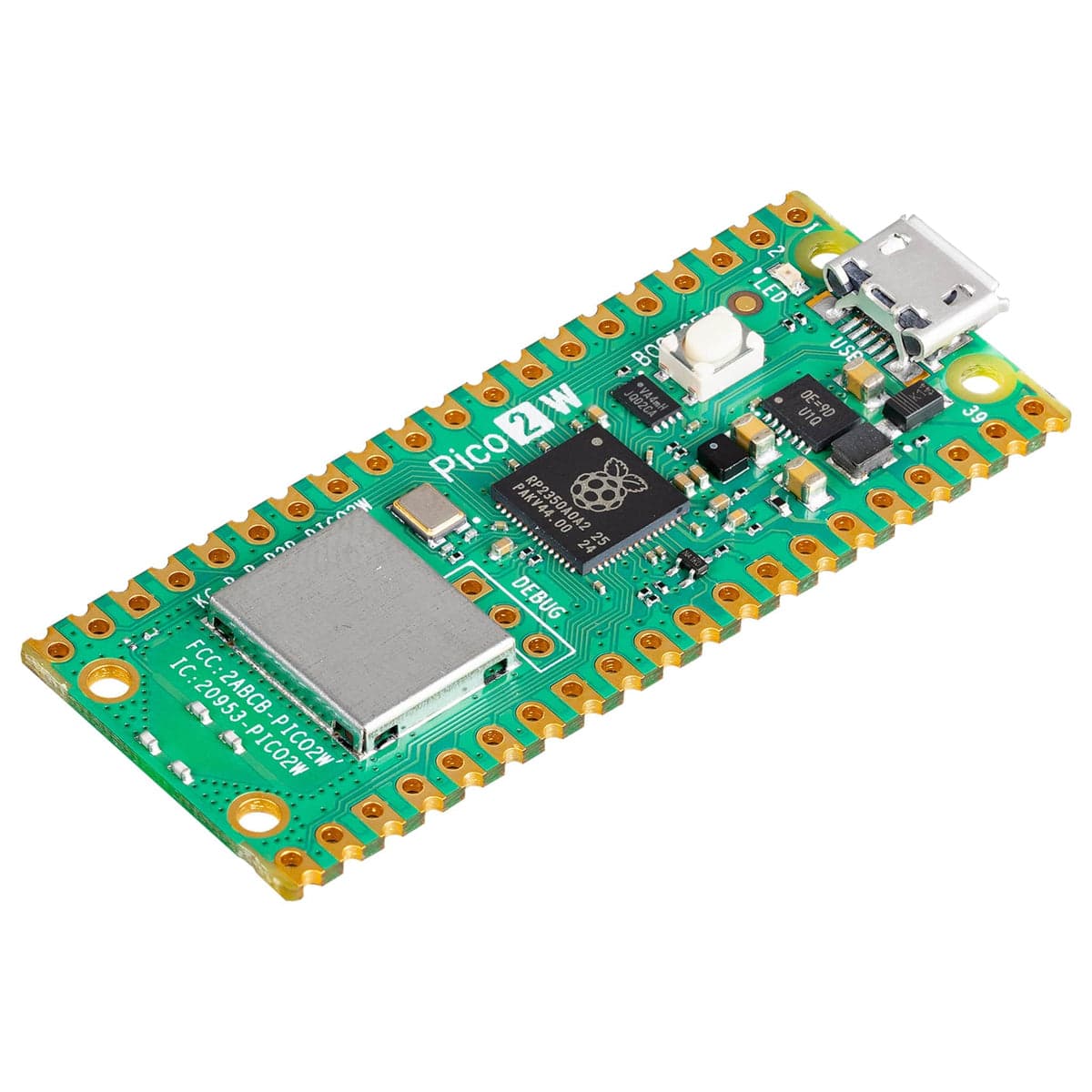 ControllerRaspberry Pi Pico 2 W
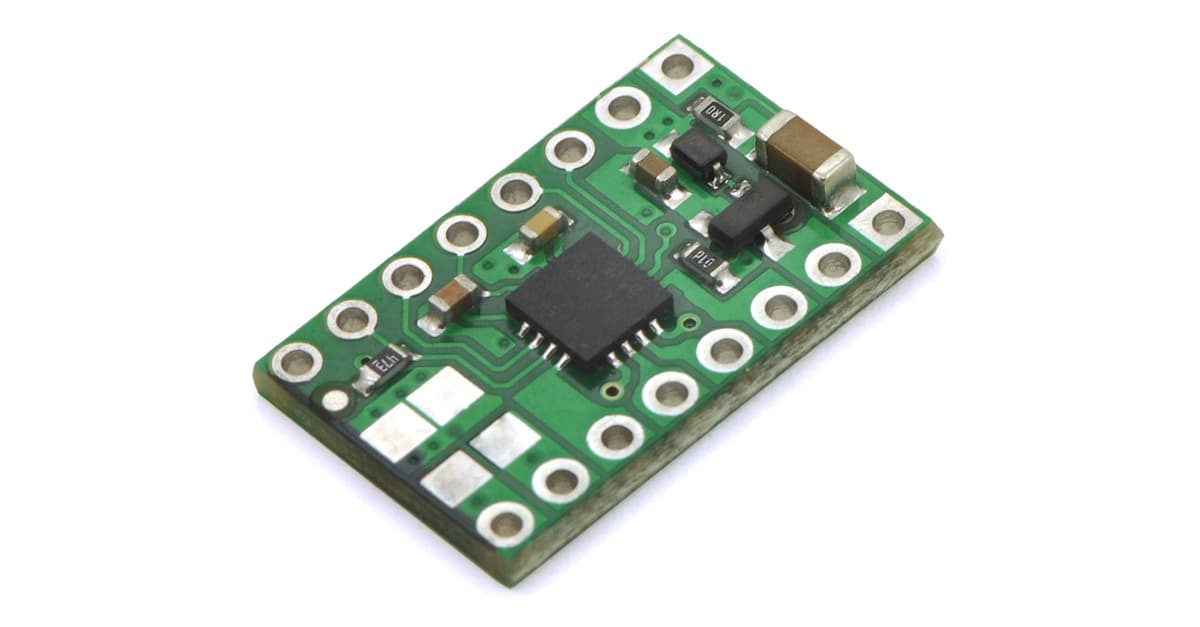 Motor driverDRV8833 dual motor driver carrier
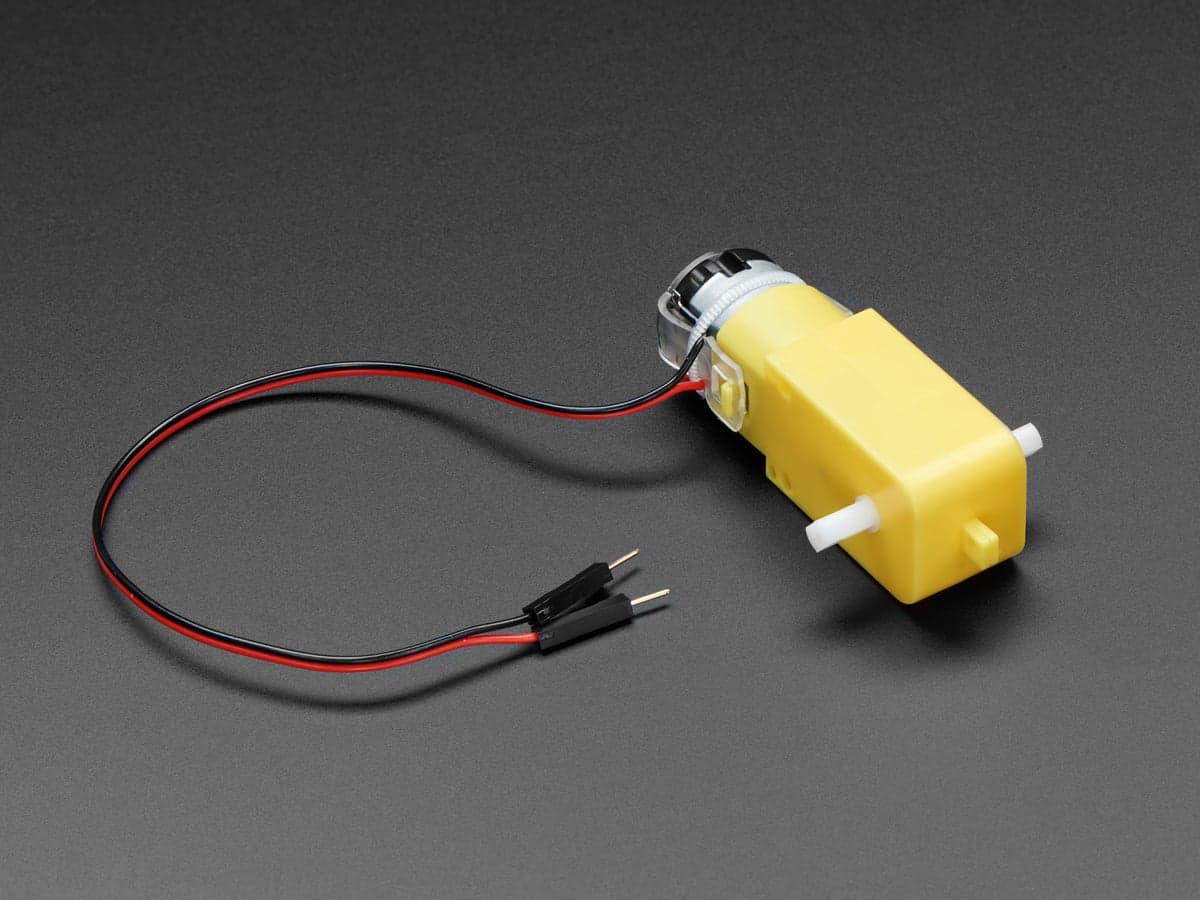 ×2Drive motorsTT DC gearbox motor 200RPM 3-6V
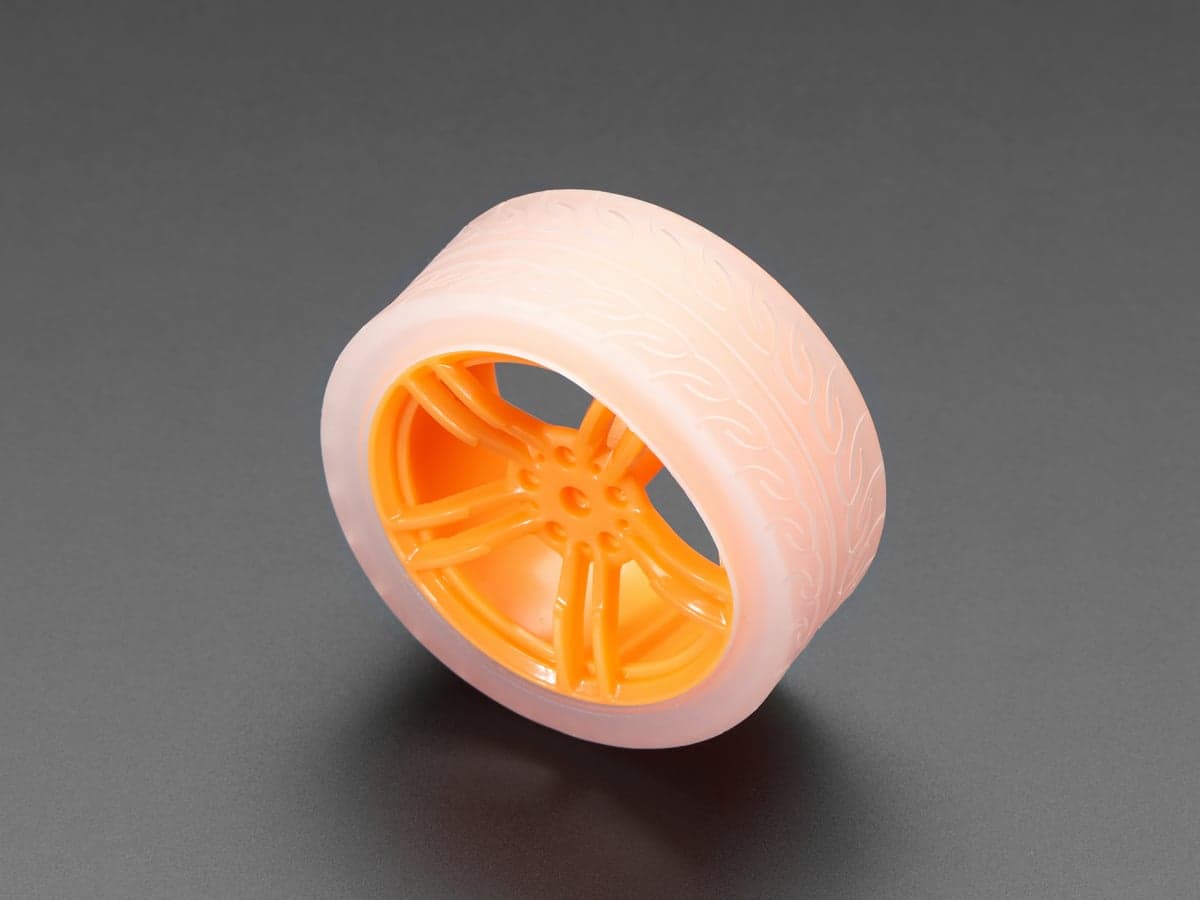 ×2WheelsOrange & clear TT motor wheel
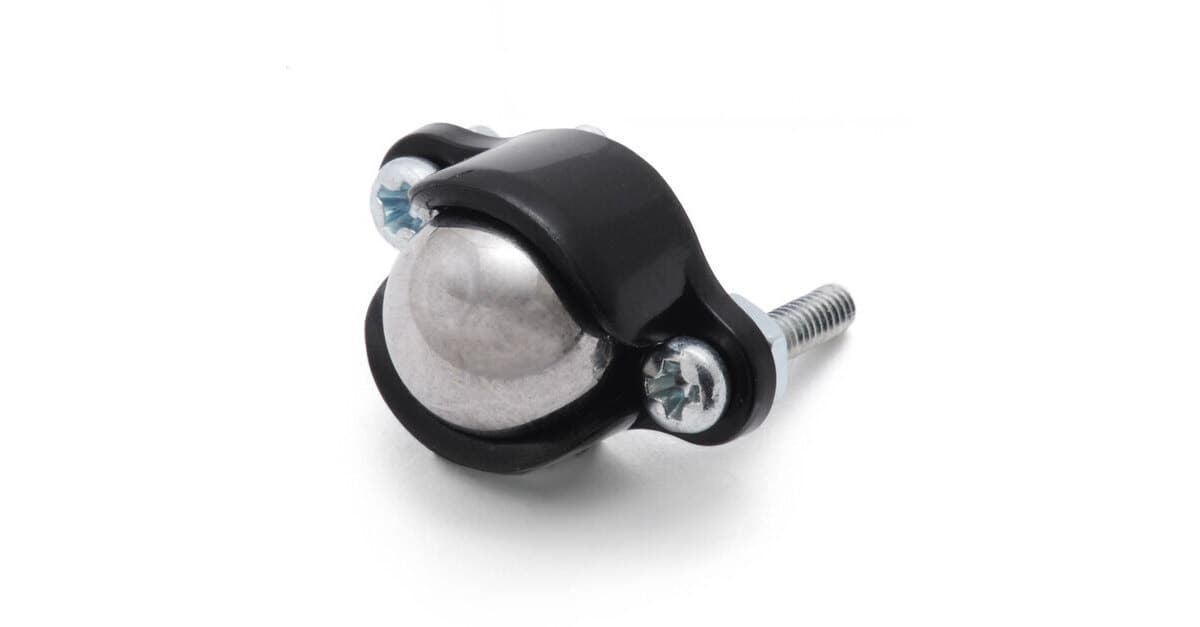 Third contact pointBall caster 3/8 inch metal ball
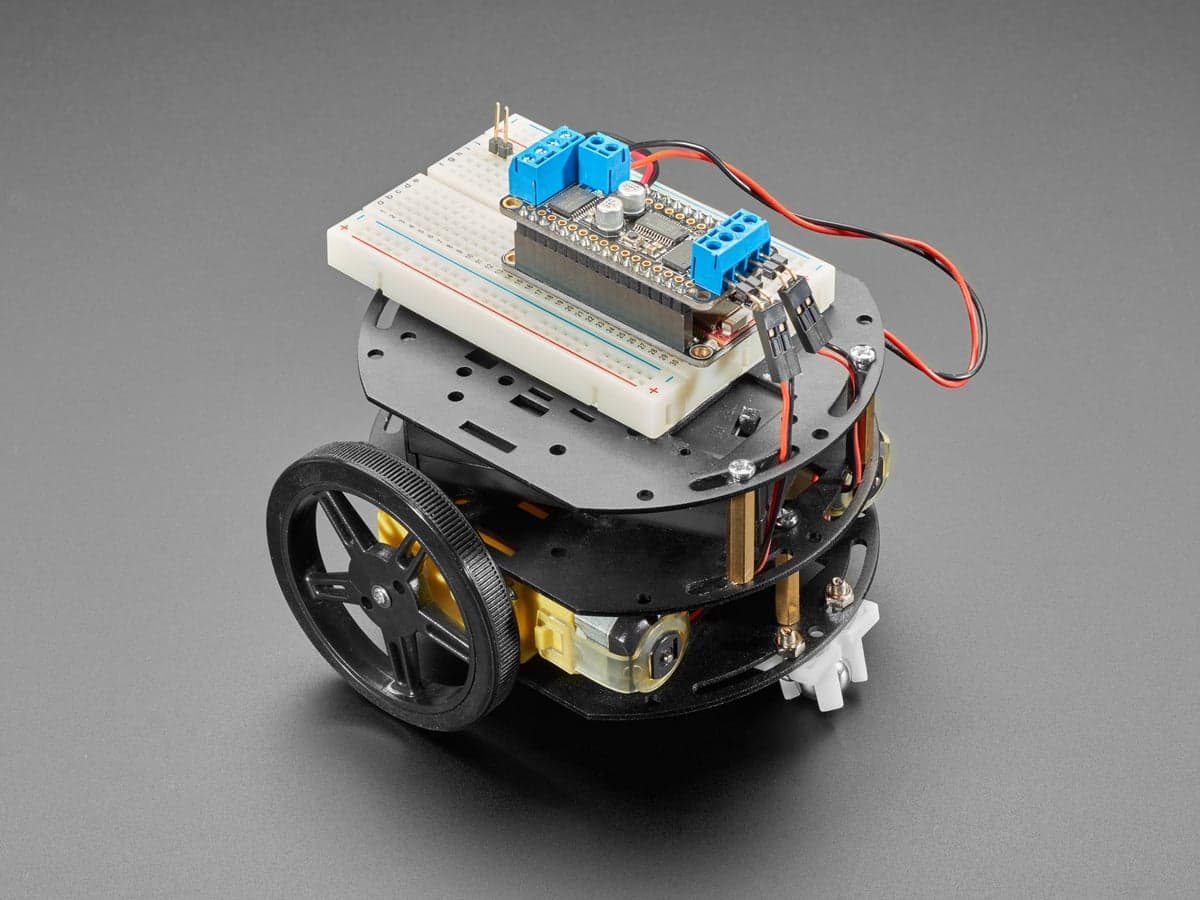 ChassisMini 3-layer round robot chassis kit (2WD)
 Range sensorUltrasonic distance sensor HC-SR04
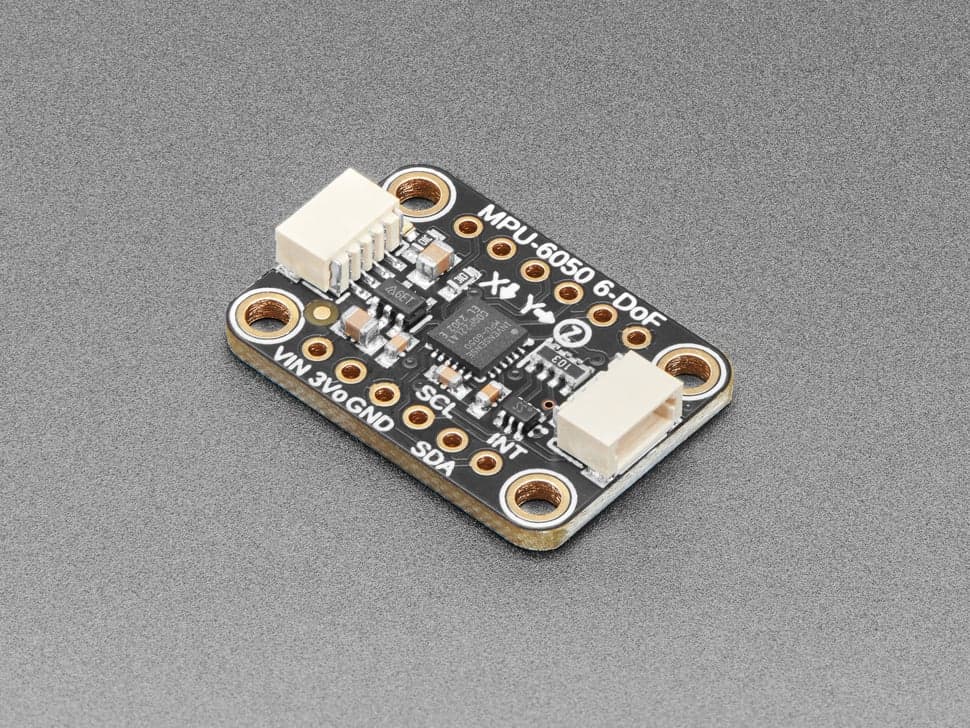 IMUMPU-6050 6-DoF accel + gyro breakout
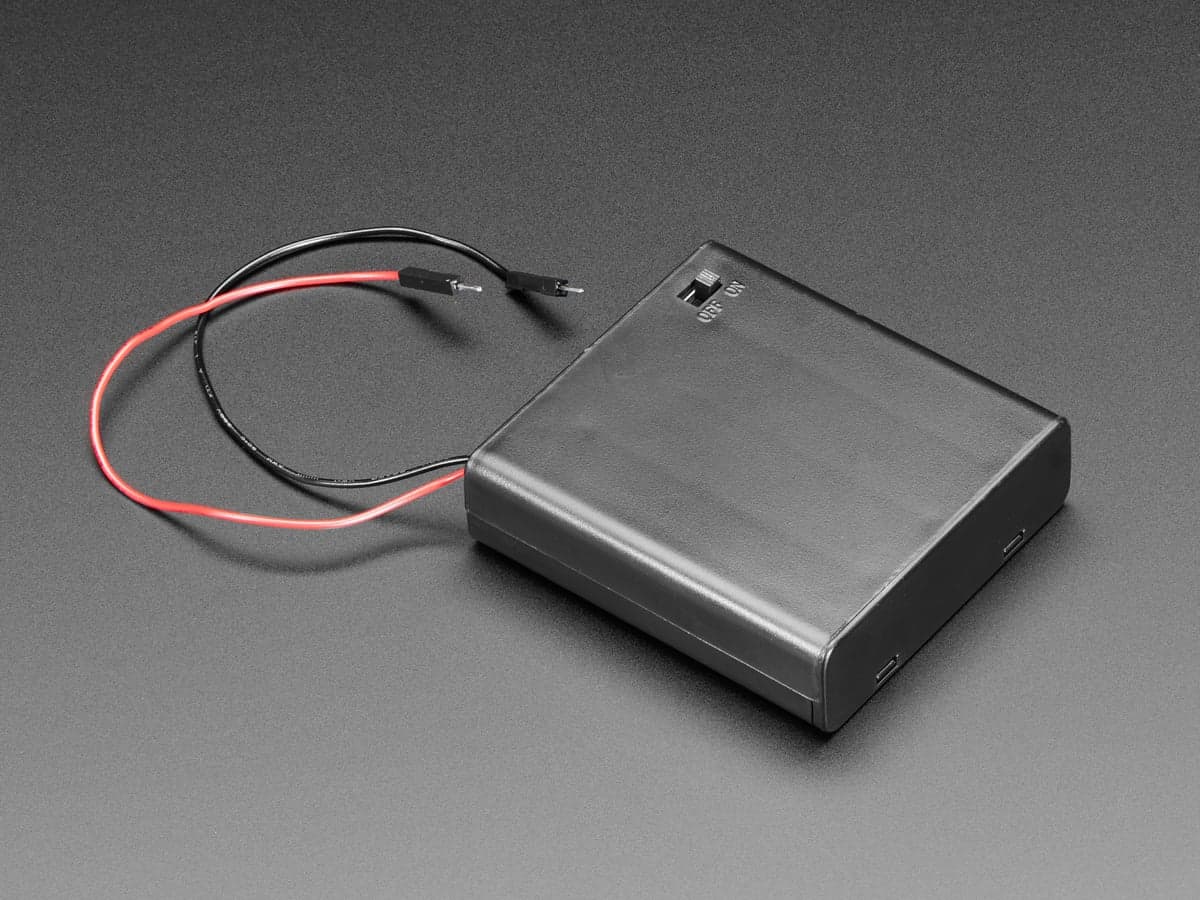 Battery pack4 x AA battery holder with on/off switch
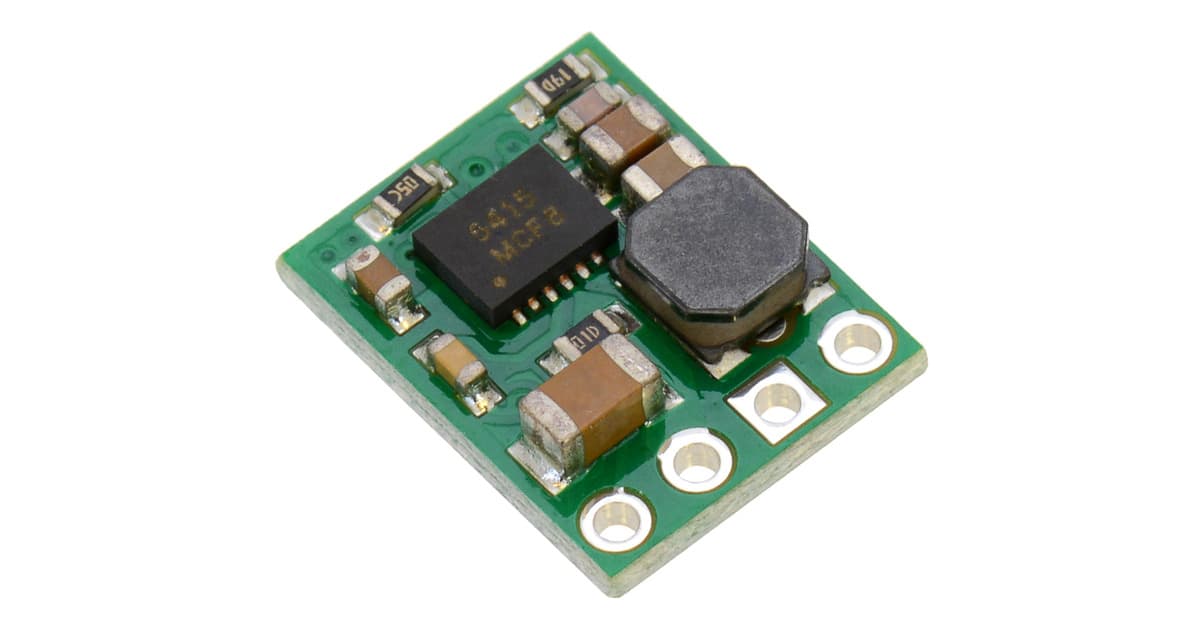 5V rail (optional)5V 500mA step-down regulator D24V5F5
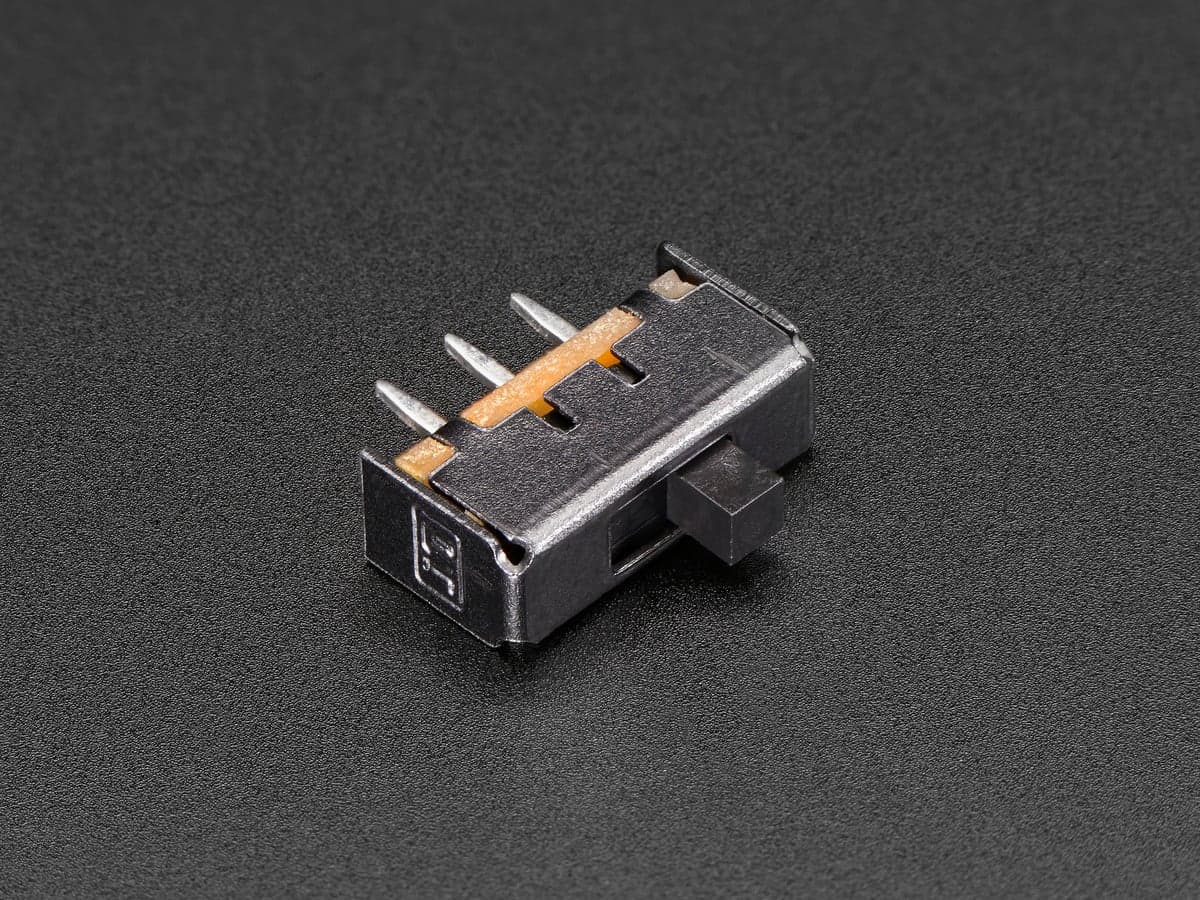 Power switchBreadboard-friendly SPDT slide switch
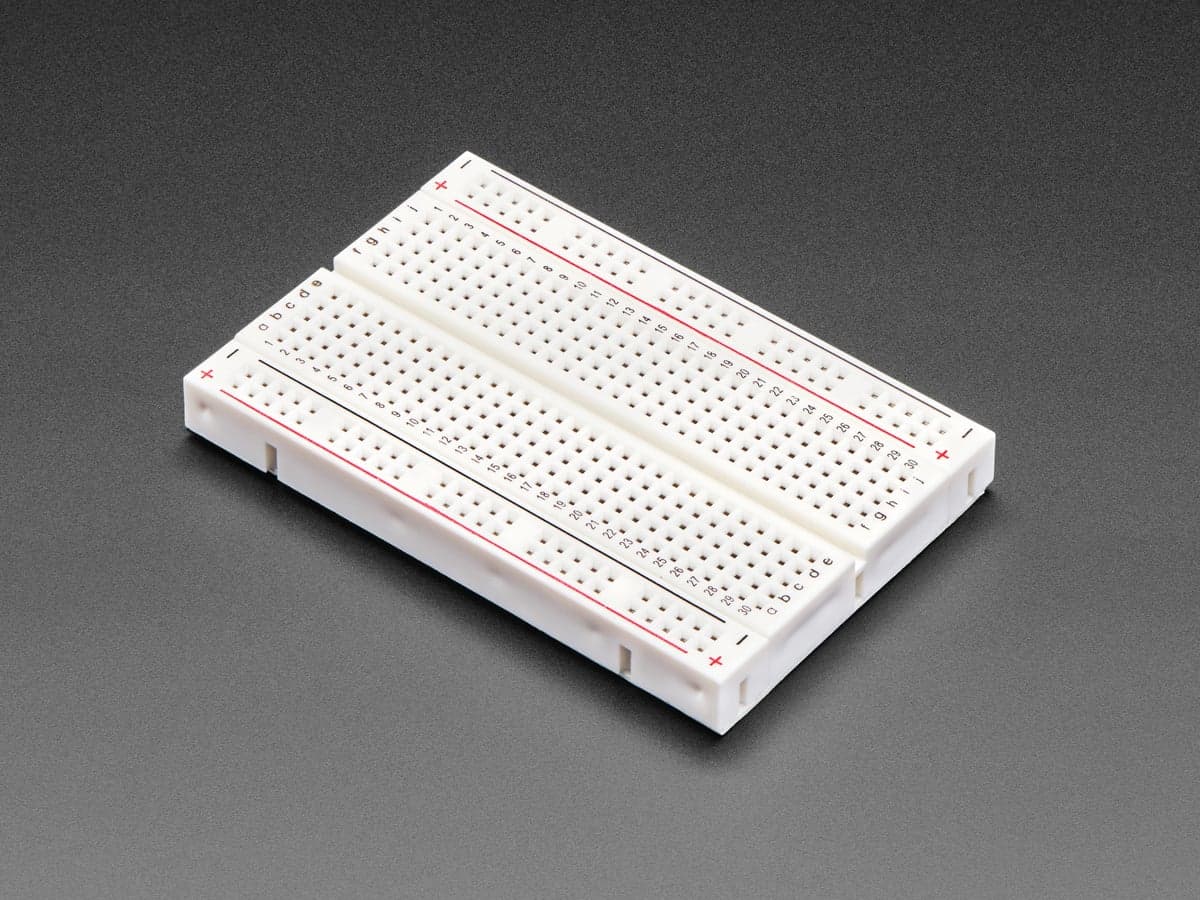 BreadboardHalf-size breadboard
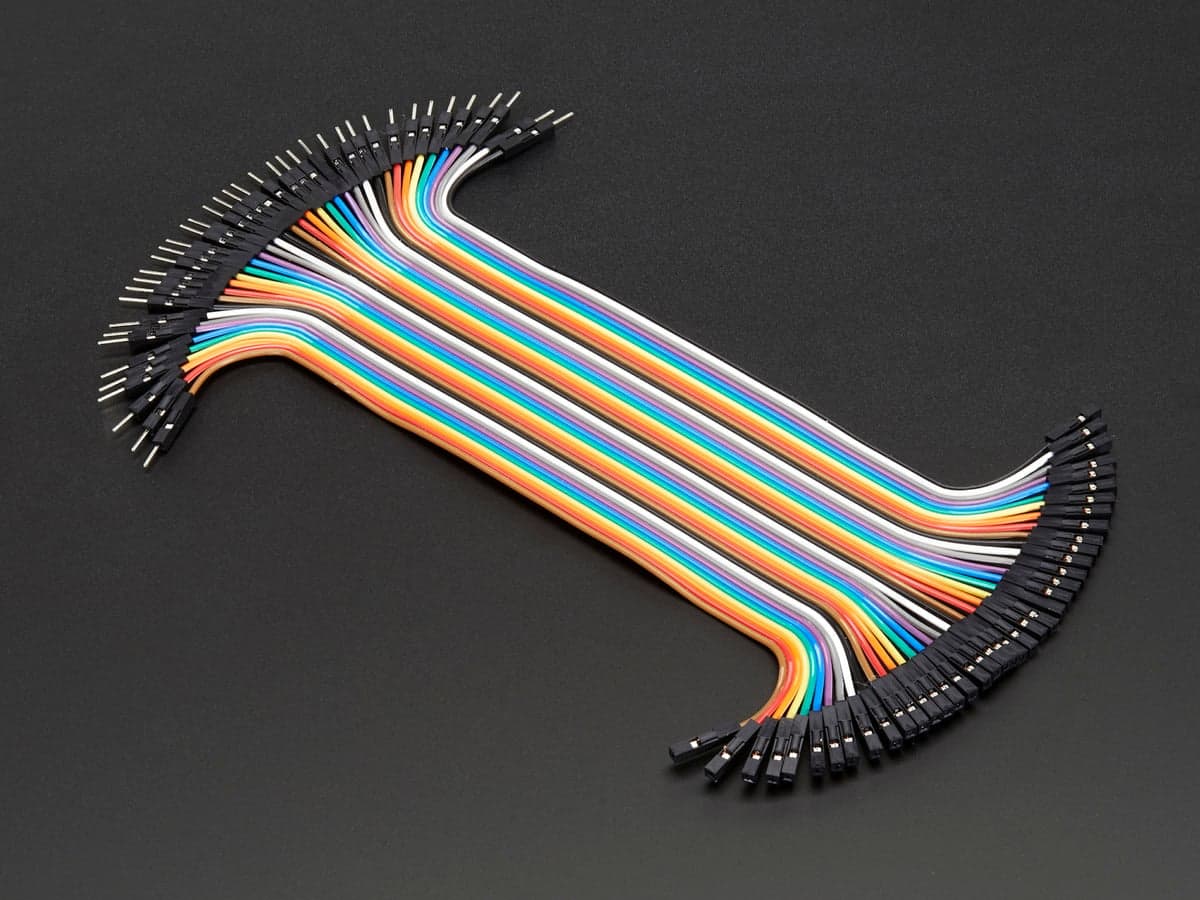
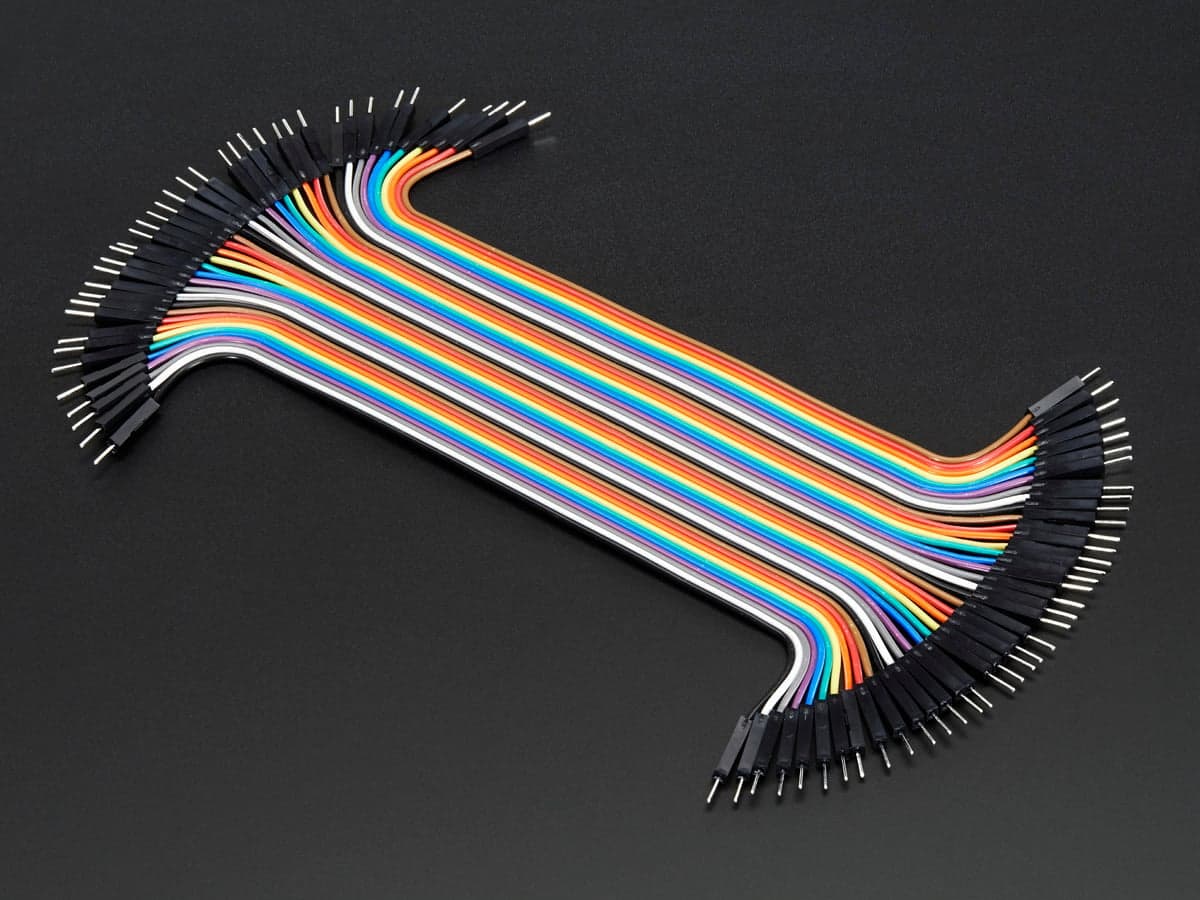 Jumper wiresPremium male/male jumper wires 40 x 150mm
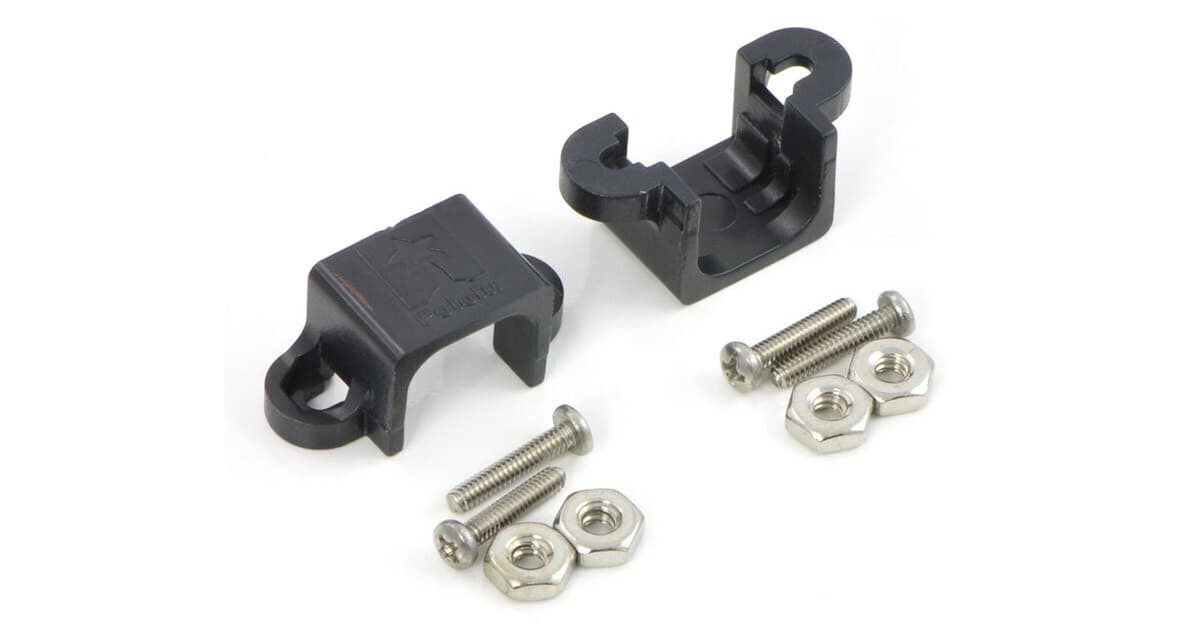
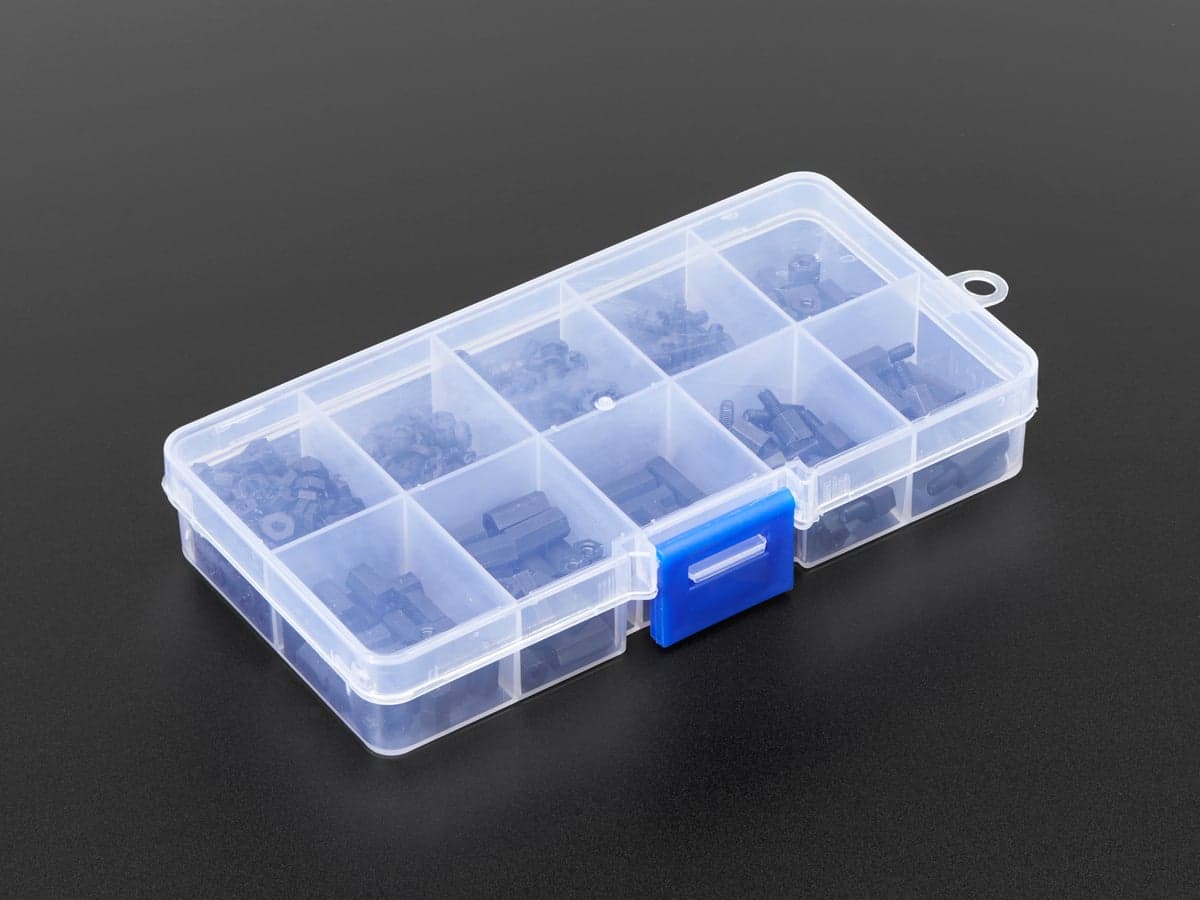 Standoffs and screwsBlack nylon M2.5 screw / standoff kit
Roles and candidates
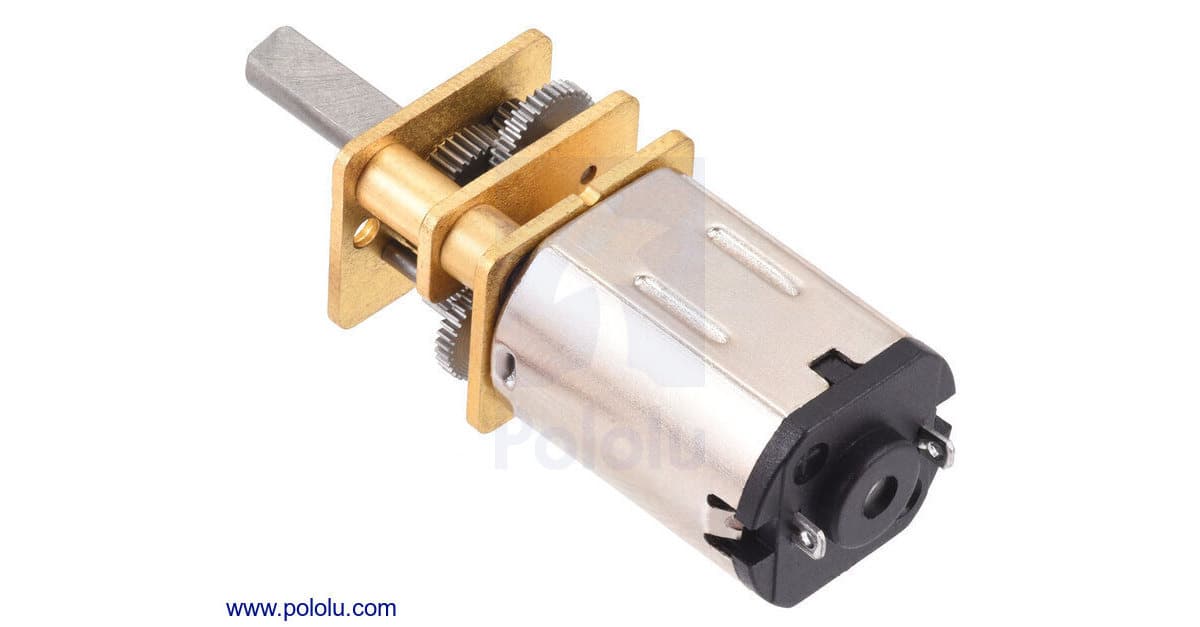
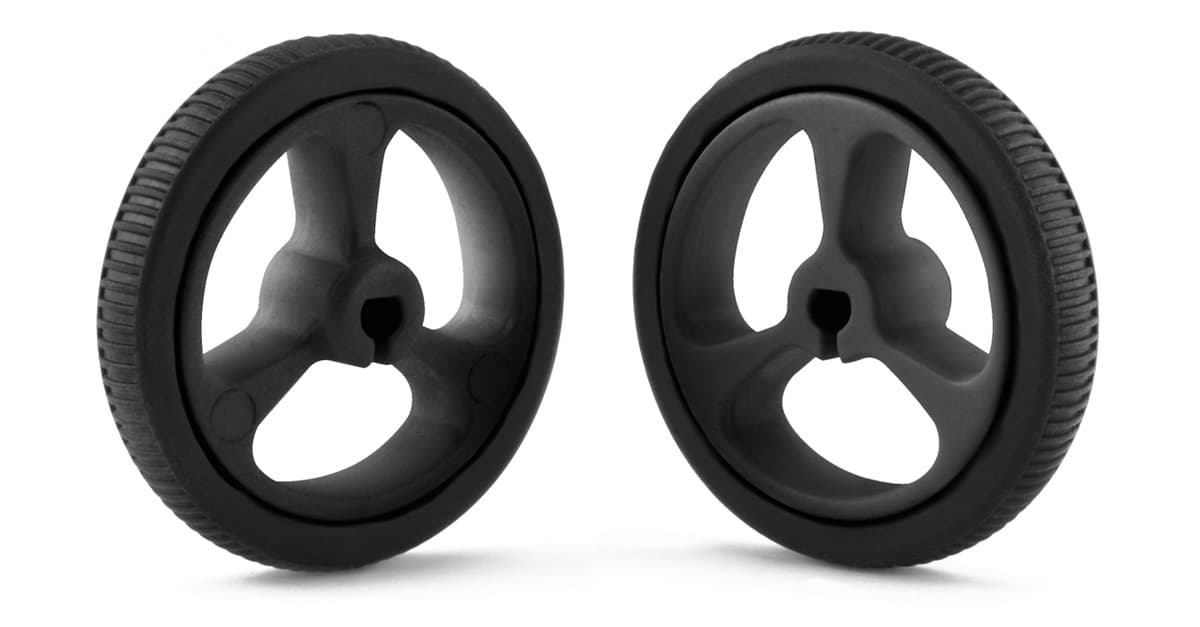
Constraints an agent must satisfy
- supply-windowMotor supply must sit inside the driver's corroborated range (2.7-10.8 V). A 4xAA pack is 4.8 V NiMH or 6 V alkaline - both inside it.
- controller-supplyThe same pack must sit inside the controller's VSYS window (1.8-5.5 V corroborated). NiMH at 4.8 V fits; 6 V alkaline exceeds it - use NiMH, or add the 5 V regulator.
- stall-within-peakMotor stall current must not exceed the driver's peak per channel (2 A corroborated). N20 stall 1.6 A and TT stall are inside it.
- shaft-matchWheels must match the motor shaft: 32x7 mm wheels fit the N20's 3 mm D shaft; the orange TT wheel fits the TT motor's dual-D shaft. Cross-pairing does not fit.
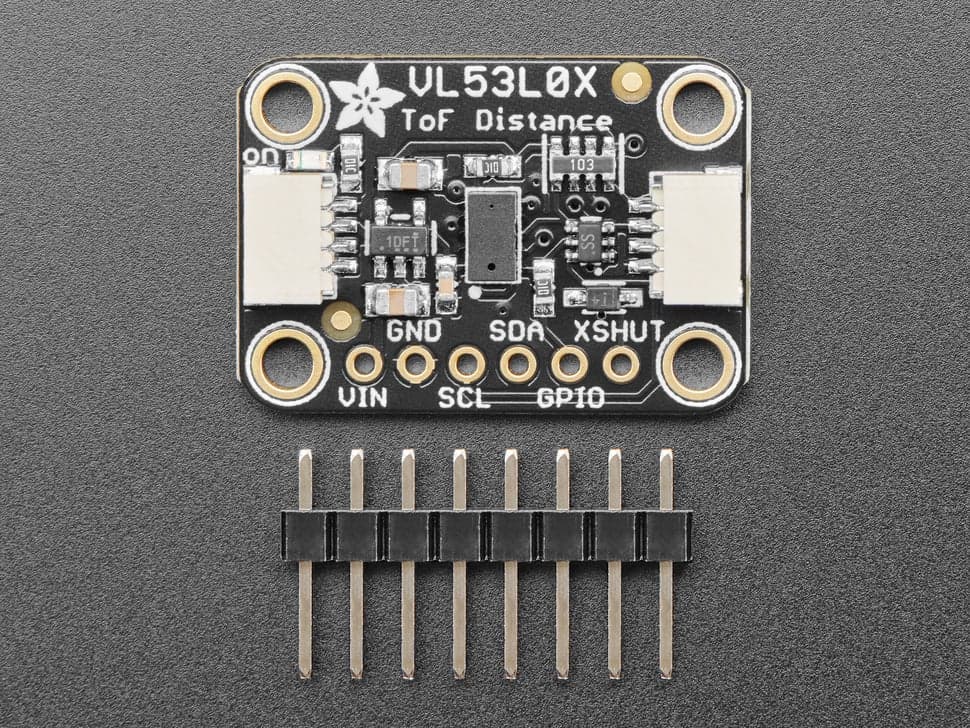
- sensor-voltageThe VL53L0X breakout accepts 3-5 V (corroborated) and is the safe choice on a 3.3 V controller. The HC-SR04 wants 5 V - marginal on a 4.8 V NiMH pack; prefer the VL53L0X or add the 5 V rail.
- interfaceController must expose PWM for the driver and I2C for the VL53L0X/MPU-6050 - the Pico 2 W exposes both.